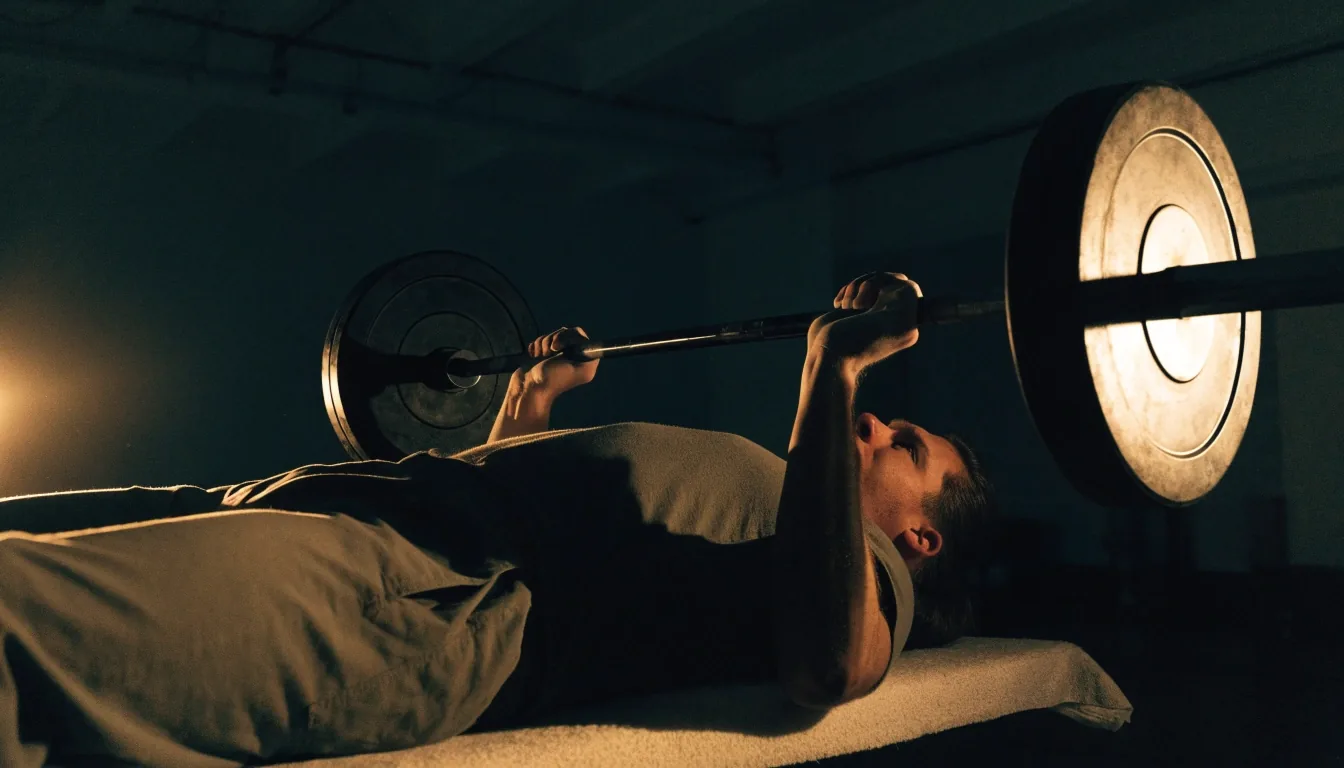
Training and Movement for Hormone Balance
Resistance training, compound lifts and a weekly rhythm that works with a busy schedule.
Why resistance training gets the attention
Resistance training shows up in nearly every discussion of lifestyle factors for men's hormone health, and the reason is straightforward. Training builds muscle, supports metabolism, and improves sleep. All three feed into the same system the body already uses to regulate hormones, so a weekly routine is one of the few levers a man can pull on his own schedule.
Compound exercises that work large muscle groups create a stronger overall training response than isolated movements. Squats, presses, rows, deadlifts, and their variations recruit the most muscle across the body, which is why they anchor most sensible programs. An isolation curl has its place as an accessory, but it will not carry a training week.
Mayo Clinic and the NHS both emphasize general physical activity for health, and resistance training fits inside that guidance while adding the muscle-building piece that cardio alone does not cover. If you are new to this page, start with the patterns in the section below rather than a program you found online.

Cardio still matters, and the week needs shape
Two ideas sit side by side for most men: conditioning that keeps the heart working, and a weekly structure that keeps the lifting honest. Neither one replaces the other.
Cardio does not compete
Cardio supports heart health, endurance, and recovery, and it does not take muscle away from the lifting side of the week. A routine that includes both tends to hold up better than one that ignores either side.
Two or three short sessions, brisk walking, cycling, or swimming, are enough for most men who are also lifting three times a week.
Three full-body sessions
Three full-body sessions a week is a good starting point. Each session covers a squat pattern, a hinge, a push, a pull, and a carry or core movement. Two to three sets each, working with a weight you can control.
Rest at least one day between sessions. The adaptation the training is asking for happens during the rest, not during the set.
Built for busy weeks
Most men in Indonesia juggle work, family, and commutes. A three-session week at forty-five minutes each is realistic. Morning sessions often survive schedule pressure better than evening ones.
If only two sessions fit some weeks, do two. Something beats nothing, and consistency over months matters more than perfect weeks.
Compound exercises to learn first
Goblet squats, Romanian deadlifts, push-ups or bench presses, rows, and overhead presses cover the main patterns. Dumbbells are enough for months of progress. Learn technique before adding weight, and watching a coach or an experienced friend once is worth more than any video.
Progression without overtraining
Add a little weight or a rep when the current set feels manageable. That is progressive overload, and it is the engine of results. It also has a ceiling. Training harder every session leads to fatigue, not progress, so deload weeks, lighter sessions every fourth or fifth week, help you keep going without burning out.
Recovery is part of training
Muscle grows between sessions, not during them. Sleep, protein, and hydration do the actual work. If you are training hard and sleeping five hours, you are undercutting your own effort.
Our sleep and recovery guide covers this in more detail. The two topics belong together.
Open the recovery pageTraining around real weeks
Most men in Indonesia are not short of effort; they are short of time. Work, family, and commutes take the predictable hours, which is why a three-session week at forty-five minutes each is realistic and why morning sessions often survive schedule pressure better than evening ones. The training does not need to be long to count. It needs to happen most weeks.
If only two sessions fit some weeks, do two. Something beats nothing, and consistency over months matters more than perfect weeks. The same idea applies when a work trip or a stretch of night shifts flattens the week: come back with a light session rather than a punishing one, and rebuild from there.
Bodyweight options at home
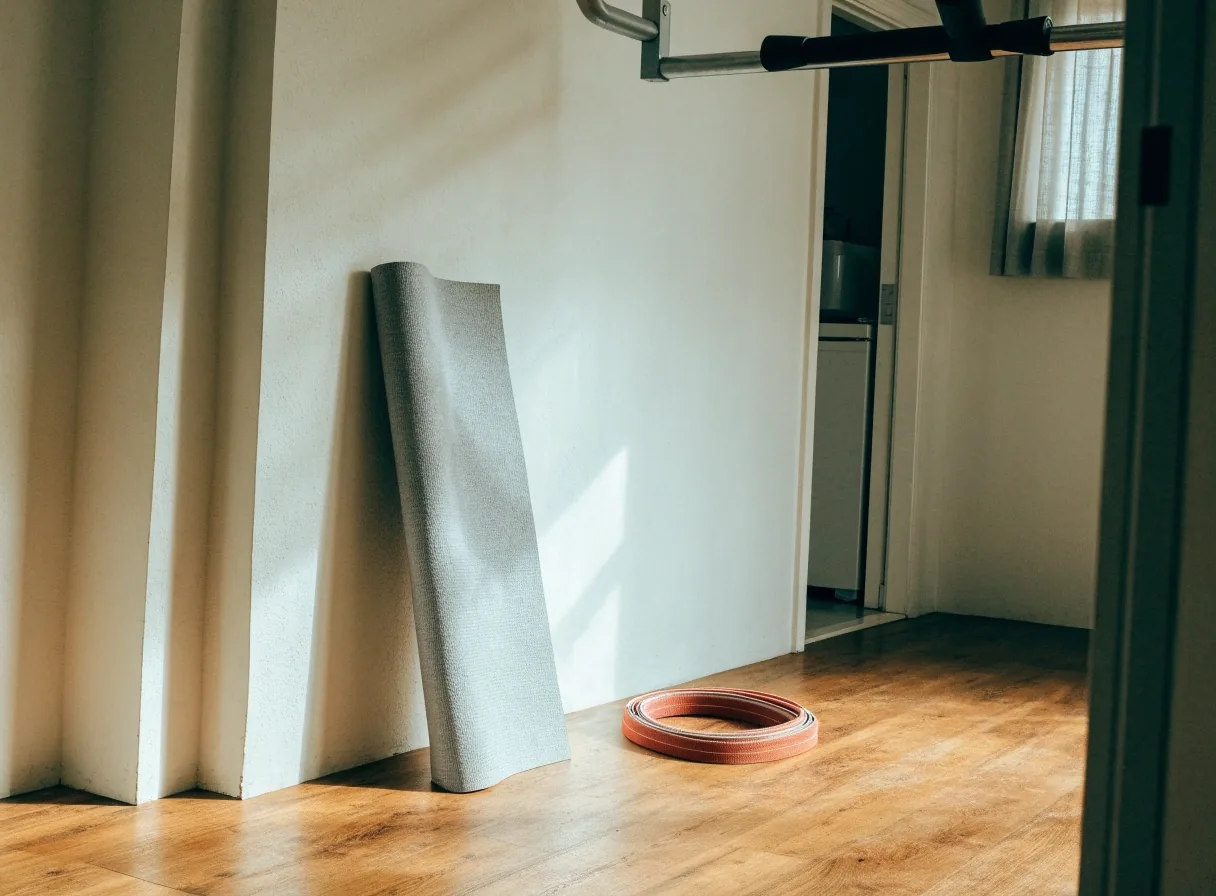
No gym, no problem. Push-up variations, split squats, glute bridges, and inverted rows cover the basics. Add a resistance band and a pull-up bar and you can train for a long time at home. Bodyweight training has limits for heavy lower-body work, but it is a legitimate starting point.
Movement outside training
Daily steps, taking the stairs, and standing breaks during work all count. Long sitting periods are their own risk factor, separate from whether you train. A short walk after meals helps digestion and adds to your daily movement without feeling like exercise, which matters on the days when a full session is not going to happen.
When to see a professional
If you have joint pain, a history of injury, or a medical condition, get cleared before starting.
A physiotherapist or doctor can tell you what to avoid. This page is general guidance for a lifestyle routine, not a personal training program, and no page can replace an assessment of your situation.
The same applies if you have been inactive for years.
Start lighter than you think you need to. A first month of gentle sessions with clear technique will set up the next year of training better than a fast start you cannot repeat.
Keep reading on this site
Training questions
Practical answers to the questions that come up before starting a training week in Indonesia.
How many days a week should a beginner train?
Three full-body sessions a week, with at least one rest day between each session. That gives the muscles enough stimulus and enough recovery to adapt. If only two days fit some weeks, two sessions still move you forward.
Do I need heavy weights to get results?
No. Dumbbells are enough for months of progress. Progressive overload, adding a little weight or a rep when the set feels manageable, matters more than the absolute load. A bodyweight routine done consistently can be a fair starting point.
Can I skip cardio if I lift?
Cardio and resistance training do different jobs. Two or three short cardio sessions, brisk walking, cycling, or swimming, support heart health, endurance, and recovery, and they do not take muscle away from the lifting side of the week.
Why should I plan a lighter week?
Training harder every session leads to fatigue, not progress. A lighter week every fourth or fifth week lets the body catch up and keeps the routine sustainable over months, which is where the results actually live.
Build the week you can actually repeat
Training, food, sleep, and daily movement work as one system. If you want to look at how they fit together, the other guides on this site cover the food, habits, and sleep sides of the same picture.
Reach the office
- Jl. Sultan Hasanuddin No. 45, Sawerigading, Ujung Pandang, Makassar, Sulawesi Selatan, 90115
- +62 411 364 3812
- [email protected]
- Monday to Friday, 9:00 AM – 6:00 PM
This page is general informational content about lifestyle and training, not medical advice. Speak with a qualified professional before starting a new training routine.